 Nicole never imagined that something as ordinary as getting into the car would become one of the hardest parts of motherhood.
For years, life with her son Aiden followed a rhythm familiar to many families: school, doctor appointments, bike rides, family routines, and dreams about the future. In 2019, everything changed when Aiden was diagnosed with Duchenne muscular dystrophy, a progressive genetic disorder that gradually weakens the muscles over time.
At first, Aiden could still move around independently. But as the disease progressed, Nicole began noticing subtle changes. Longer walks became more difficult. He relied more heavily on a wheelchair at home. Eventually, even getting into the family vehicle became physically dangerous.
“He started having to crawl into the car,” Nicole recalled. “He almost fell a couple of times.”
As Aiden grew, lifting him in and out of the vehicle became harder on everyone, especially Nicole, his primary caregiver. What once felt manageable slowly became unsustainable.
But the challenge wasn’t simply transportation. For Nicole, mobility represented freedom.
She didn’t want her son to become isolated. She didn’t want him trapped inside the house waiting for a crisis before the family acted. She wanted him to continue seeing the world, getting to appointments safely, and maintaining as much independence as possible for as long as possible.
Then came the next harsh reality: the cost.
When Nicole began researching wheelchair accessible vans, she discovered prices ranging from $50,000 to nearly $90,000. The dream of owning one felt impossibly far away for their family.
Still, she refused to give up.
Over the next several months, Nicole searched for every possible path forward while continuing to care for Aiden full time. Along the way, she connected with organizations, advocates, and families who understood the daily realities of living with Duchenne muscular dystrophy.
Groups including Team Joseph, Children’s Special Needs Fund, Muscular Dystrophy Association, Michael’s Cause, Clock Mobility, Lori’s Voice, Jackson’s Superheroes, and Bridge to Mobility became part of the family’s journey. Together, these mission-driven organizations helped connect Nicole to resources, funding opportunities, and support that slowly moved the family closer to a solution.
What stood out most to Nicole was how these organizations worked together with a shared purpose: helping families maintain mobility, independence, and quality of life.
Bridge to Mobility became an important part of that network of support, helping bring together the final pieces needed to turn a challenging situation into a real solution for the family.
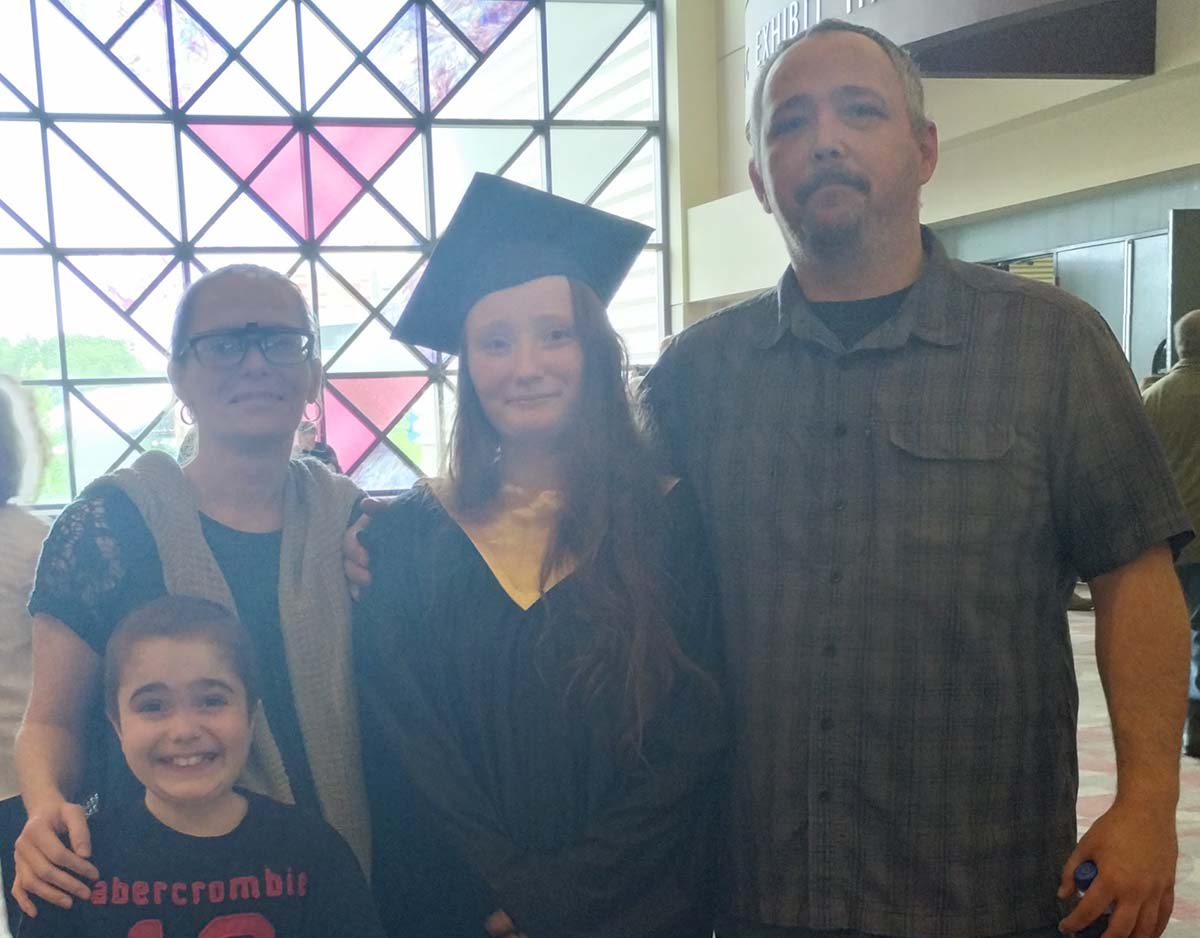
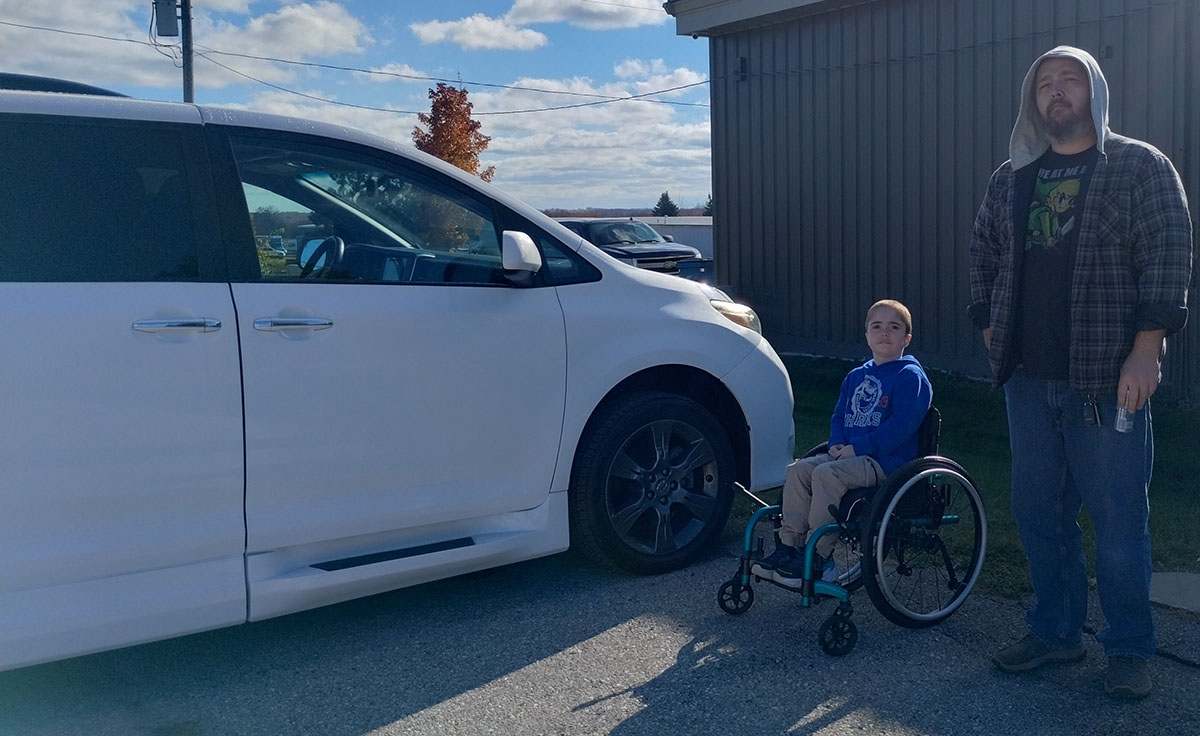
Eventually, Nicole’s family was able to secure a wheelchair accessible van.
The impact was immediate.
For the first time in years, the family no longer worried constantly about getting to appointments or safely getting Aiden in and out of the vehicle. They could leave the house more freely, spend more time together, and focus less on transportation worries and more on living life.
Most importantly, Nicole noticed a change in her son.
“He got happier,” she said simply.
The van did more than provide transportation. It restored freedom, confidence, and peace of mind for the entire family. For families like Nicole’s, accessible transportation creates opportunities for greater independence, connection, and participation in everyday life.
Today, Nicole hopes sharing her family’s story will encourage others facing similar circumstances.
“Don’t give up,” she said. “There are really people out there that care and want to help.”
Her story is a reminder that mobility is about far more than a vehicle. It is about connection, independence, and giving families the ability to keep moving forward together.